


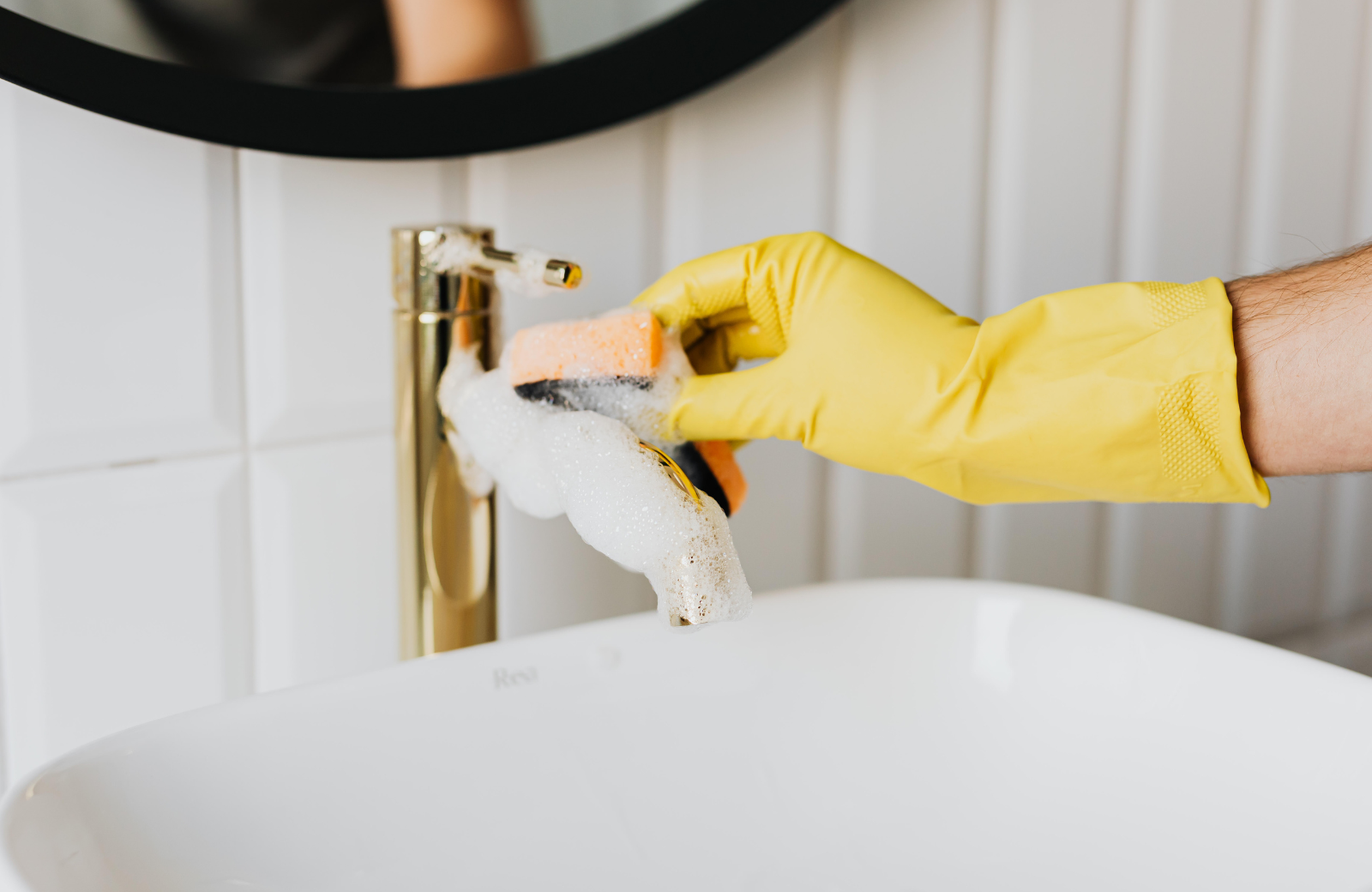
Bathroom fittings and fixtures are built to last, but even with regular care, you may notice marks on your tapware, mineral deposits on your showerhead, or water flow that isn’t quite what it used to be. The good news? Most of these issues aren’t serious—and the fixes are surprisingly simple.
Here’s a complete guide to understanding what’s happening, what causes it, and easy steps you can take at home to keep your bathroom looking and performing its best.
1. Marks on Tapware & Surfaces
Daily use means your tapware, basins, and showers will naturally collect fingerprints, soap residue, and water spots. While it may look like wear and tear, these marks are usually surface-level and easy to remove.
Common Causes
-
Hard water drying on the surface
-
Soap scum or toothpaste splashes
-
Cleaning products not fully rinsed
-
Micro-scratches trapping residue
Quick Fix
-
Dampen a soft microfibre cloth.
-
Add a small amount of warm soapy water.
-
Wipe the surface using light pressure.
-
Rinse with clean water.
-
Dry with a soft cloth to prevent new water spots.
Finish-Specific Tips
-
Chrome: Gentle soap and water are usually enough. Avoid abrasive pads.
-
Brushed Nickel / Stainless Steel: Wipe in the direction of the grain to prevent streaks.
-
Matte Black / Gunmetal: Avoid rubbing harshly—this finish can show scratches more easily.
-
Polished Brass / Gold: Use mild, pH-neutral cleaners and soft cloths; avoid acidic cleaners.
2. Mineral Build-Up (Limescale)
Mineral build-up is one of the most common issues in Australian bathrooms, especially in areas with hard water. Limescale forms white or chalky deposits around outlets, aerators, and showerheads.
Signs of Mineral Build-Up
-
Chalky white rings on tapware
-
Reduced elasticity in shower hose
-
Water spray pattern becoming uneven
-
Showerhead no longer fully spraying
Quick Fix
A simple soak is usually all you need:
For Tap Aerators:
-
Unscrew the aerator from the end of the spout.
-
Soak it in a 50/50 mix of white vinegar and warm water for 15–30 minutes.
-
Rinse thoroughly and reattach.
For Showerheads:
Method 1 — Removal (best option):
-
Unscrew the showerhead.
-
Soak in vinegar/water mixture for 30–60 minutes.
-
Scrub gently with a soft toothbrush.
-
Rinse and reinstall.
Method 2 — No removal:
-
Fill a small bag with the same vinegar mix.
-
Place it around the showerhead and secure it with a rubber band.
-
Leave for 30–60 minutes.
-
Remove and run hot water for 1 minute.
Prevention Tip
A quick wipe-down after each use helps reduce drying minerals on your tapware and shower surfaces. Consider installing a water softener if hard water is a persistent issue.
3. Reduced Water Flow
Reduced water pressure in taps or showers is often caused by clogged aerators or blocked filters—not a plumbing issue.
Likely Causes
-
Limescale inside the aerator
-
Debris caught in the shower filter
-
Silicone fragments from installation
-
Dust or grit from water supply
Quick Fix
-
Remove the aerator or shower filter (usually located at the base of the handpiece or inside the hose connection).
-
Soak it in warm soapy water and gently brush off debris.
-
If mineral build-up is present, repeat the vinegar soak.
-
Rinse thoroughly.
-
Reinstall and test water flow.
If That Doesn’t Work
Check the isolation valves under your basin or behind your toilet—occasionally these can be partially closed during installation or maintenance.
4. Complete Care Guide for All Finishes
Every finish requires slightly different care to maintain its appearance and performance. Here’s a handy breakdown for common Burdens Bathrooms finishes:
| Finish | Daily Care | What to Avoid | Extra Tips |
|---|---|---|---|
| Chrome | Soft cloth + mild soap | Abrasive pads, acidic cleaners | Polish gently for shine |
| Brushed Nickel / Stainless Steel | Wipe with grain | Rough scrubbers | Rinse and dry to prevent water marks |
| Matte Black / Gunmetal | Soft cloth, gentle soap | Hard brushes, harsh chemicals | Avoid rubbing harshly; fingerprints may show |
| Polished Brass / Gold | Mild soap + water | Acidic cleaners | Use pH-neutral cleaner; buff with soft cloth |
| White Ceramic / Basins | Warm soapy water | Harsh chemicals | Avoid bleach on coloured basins; rinse thoroughly |
| Glass / Shower Screens | Microfibre + water | Scrapers | Use squeegee after every shower to prevent streaks |
5. Basic Troubleshooting Recap
| Problem | Cause | Quick Fix |
|---|---|---|
| Marks / fingerprints | Soap residue, water spots | Wipe with soft cloth + mild soap |
| Mineral build-up | Hard water, limescale | Soak aerator/showerhead in vinegar |
| Reduced water flow | Debris / clogged filters | Remove aerator, clean, reinstall |
6. Routine Maintenance Tips
Taking just a few minutes each week can prevent most problems before they start:
-
Wipe tapware daily with a soft cloth
-
Avoid harsh chemicals or abrasive cleaners
-
Rinse surfaces after product use (soaps, shampoos)
-
Perform a vinegar soak on showerheads every 2–3 months
-
Keep a microfibre cloth handy for quick daily wipe-downs
7. When to Call a Professional
If you’ve cleaned, soaked, and flushed everything and still experience problems—especially inconsistent hot/cold water, leaks, or noisy pipes—it’s time to contact a licensed plumber. These issues often indicate an internal plumbing or installation problem rather than surface-level build-up.
8. Related Resources
Final Thoughts
Most marks, mineral build-up, and reduced water flow are easy to fix with simple cleaning steps and a little regular maintenance. By dedicating just a few minutes each week, you’ll keep your bathroom looking showroom-fresh and performing perfectly for years to come.
Pro Tip: Bookmark or print this guide for easy reference—your future self (and your bathroom!) will thank you.


