Manage Rain Water Better With Smart Rainhead Solutions
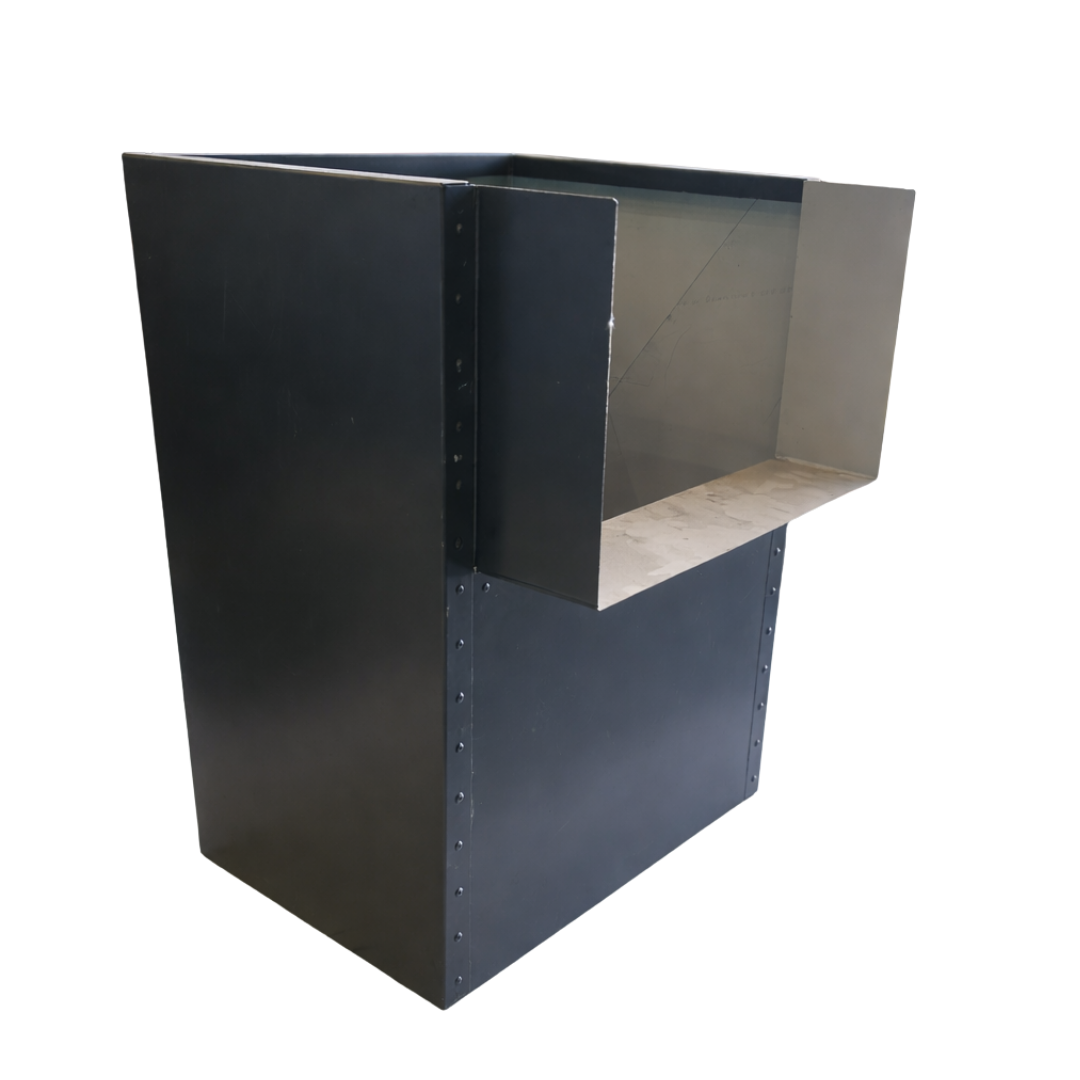
A rainhead is essential in protecting your home from extensive water damage, funnelling water from your roof's box gutter into the downpipe. Choosing the one with the correct size and configuration is crucial so your investment actually solves your drainage problems and preserves your home.
At Burdens Bathrooms, we're here to simplify the process with expertise you can trust. For over 80 years, we've been providing top-notch plumbing solutions that meet Melbourne's needs, no matter if you require shower heads, double vanities, or rainhead systems. With us, DIY homeowners and seasoned contractors alike will find reliable roof drainage products that keep projects on track.
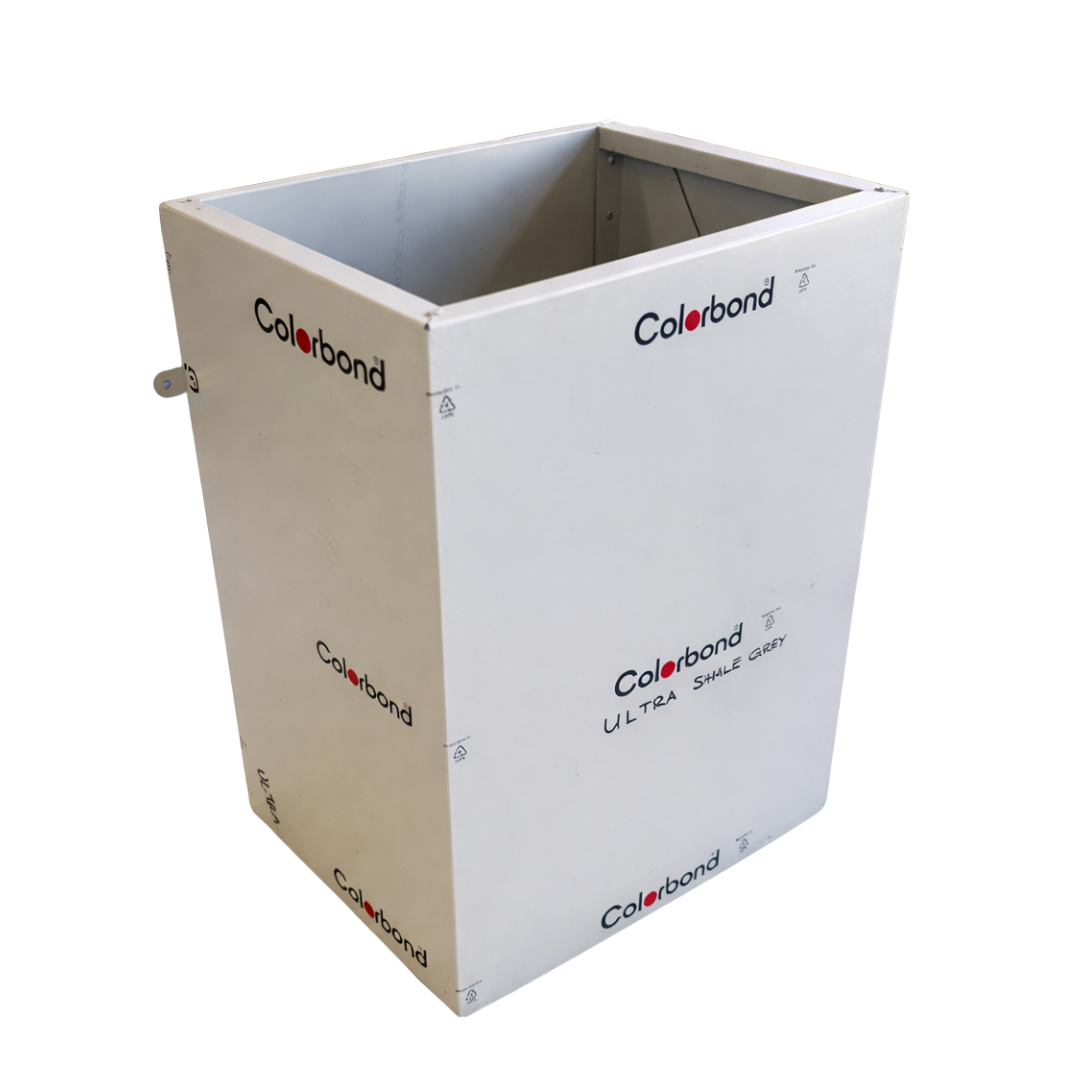
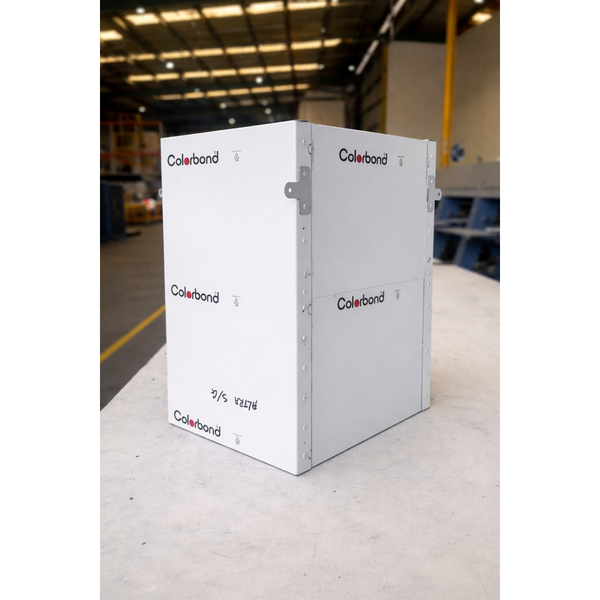
A rainhead connects roof drainage to the downpipe.
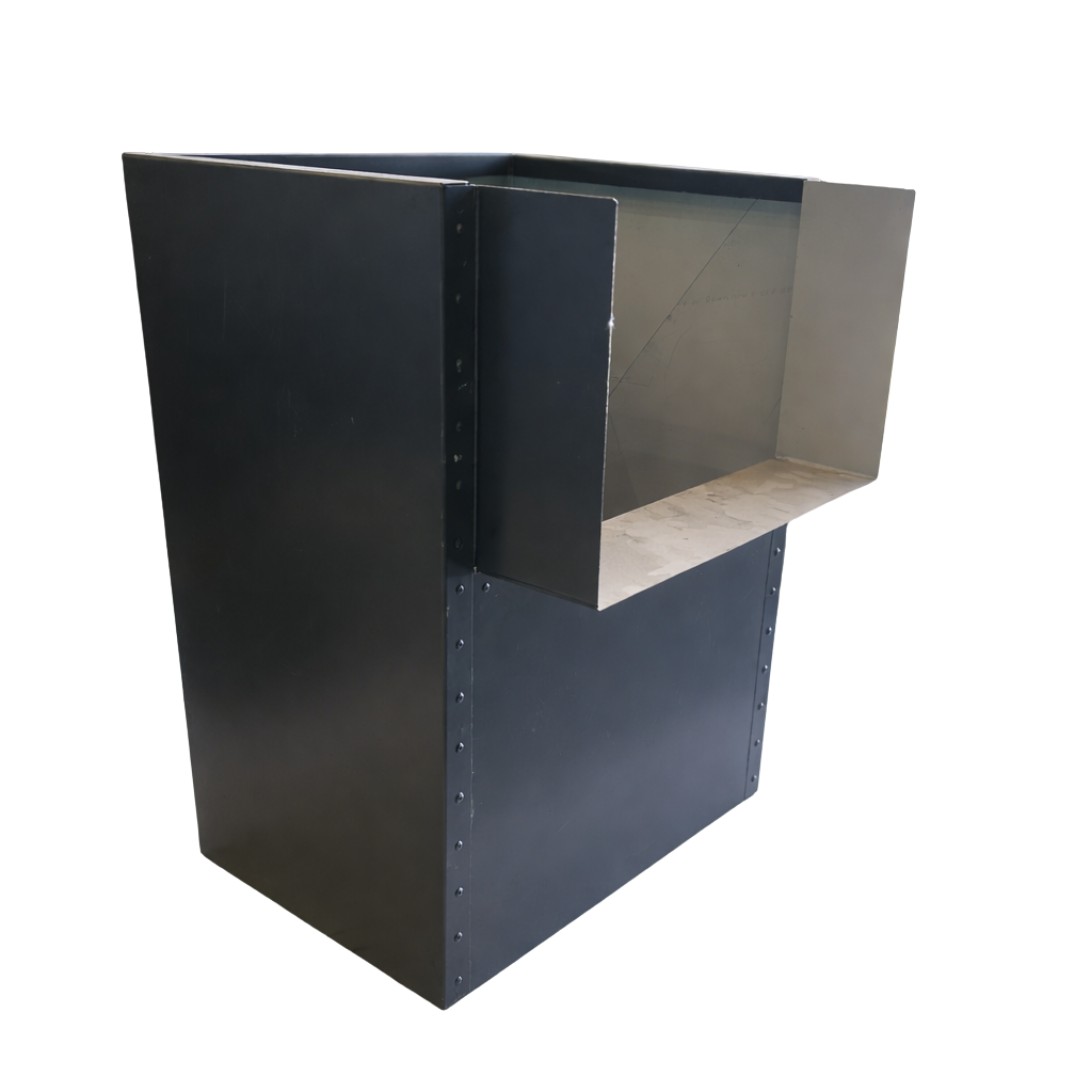
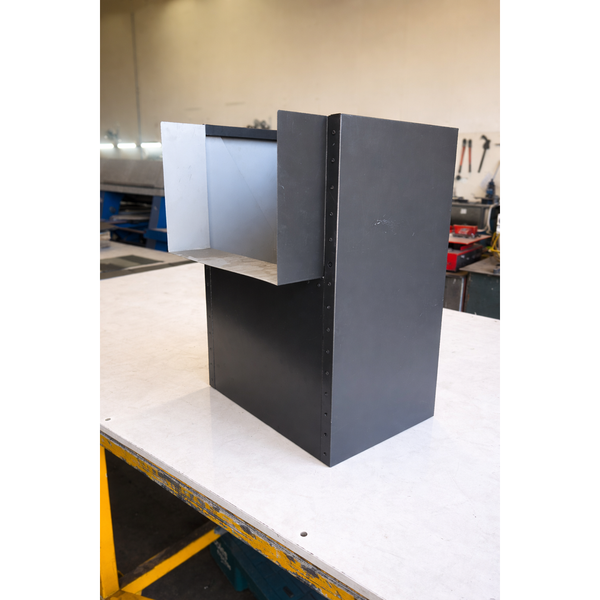
A rainhead makes roof drainage efficient. It gathers water from a box gutter or side outlet to smoothly channel it into a downpipe. This process helps prevent water from cascading down building exteriors, especially during storms or heavy rainfall, helping keep your building dry and free from water-related issues.
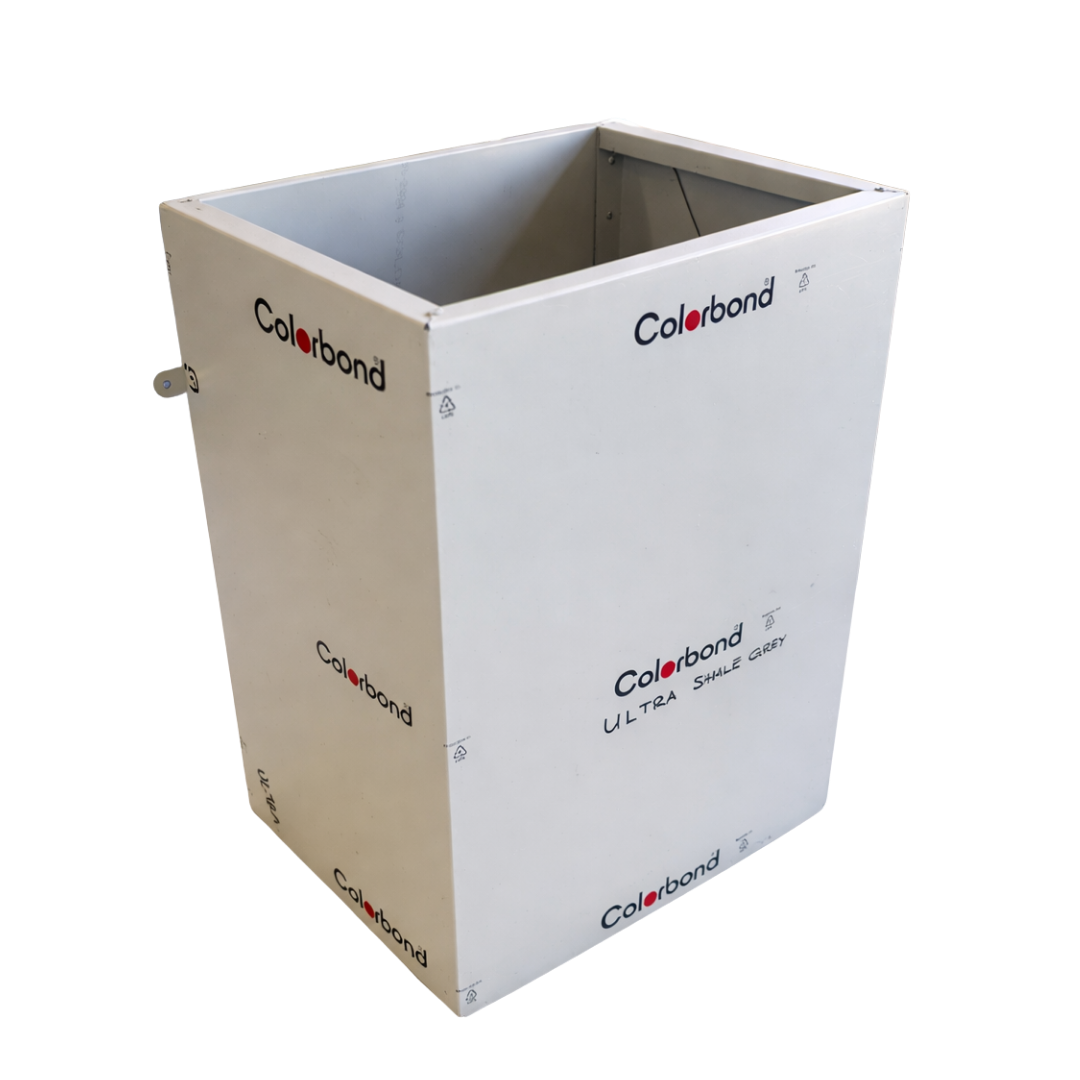
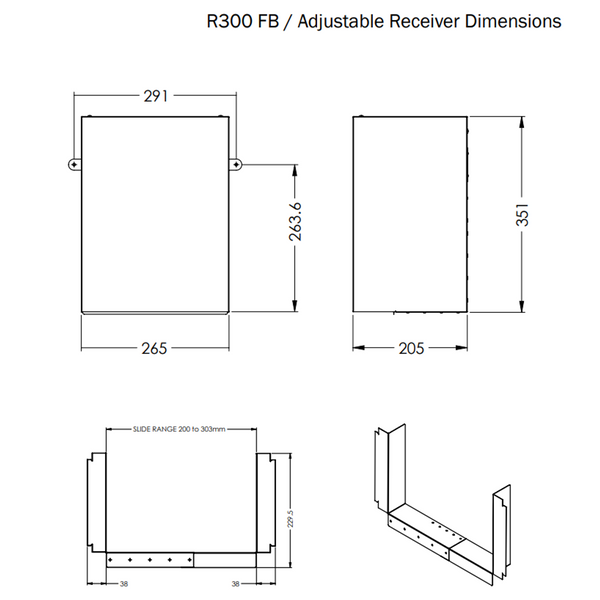
Adjustable receiver rainhead
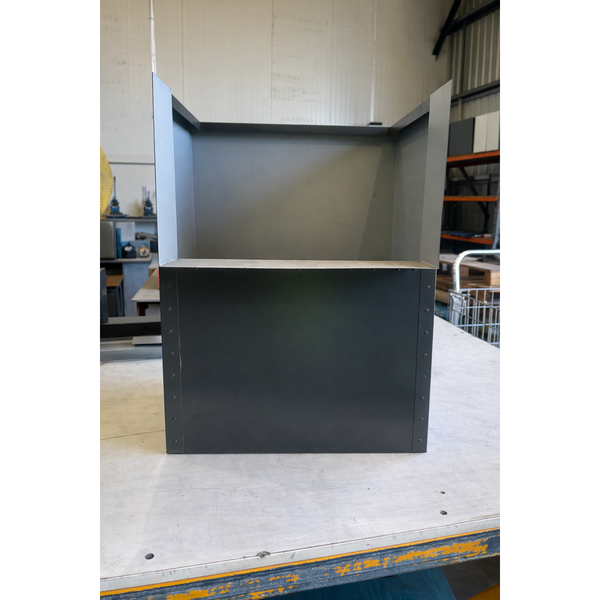
An adjustable receiver rainhead can be matched to existing gutter systems with ease. No two projects are exactly alike, and this adaptability meets diverse needs. This rainhead receiver variation accommodates different dimensions, provided it covers the required width.
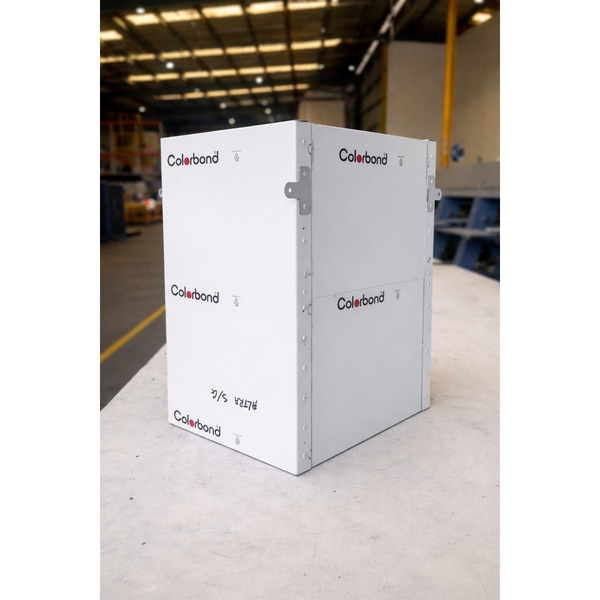
Fitted box-gutter receiver
A fitted box-gutter receiver rainhead is tailored for specific gutter sizes. For example, a fixed 200 millimetre receiver effortlessly connects to a matching box gutter or side rainhead outlet. This specific setup simplifies installation tasks.
Once you've confirmed the dimensions, it's simple to go ahead and install. It's similar to installing a vanity basin or toilet bidet seat, wherein the process is as simple as slotting the entire thing in place when the compatibility is assured.
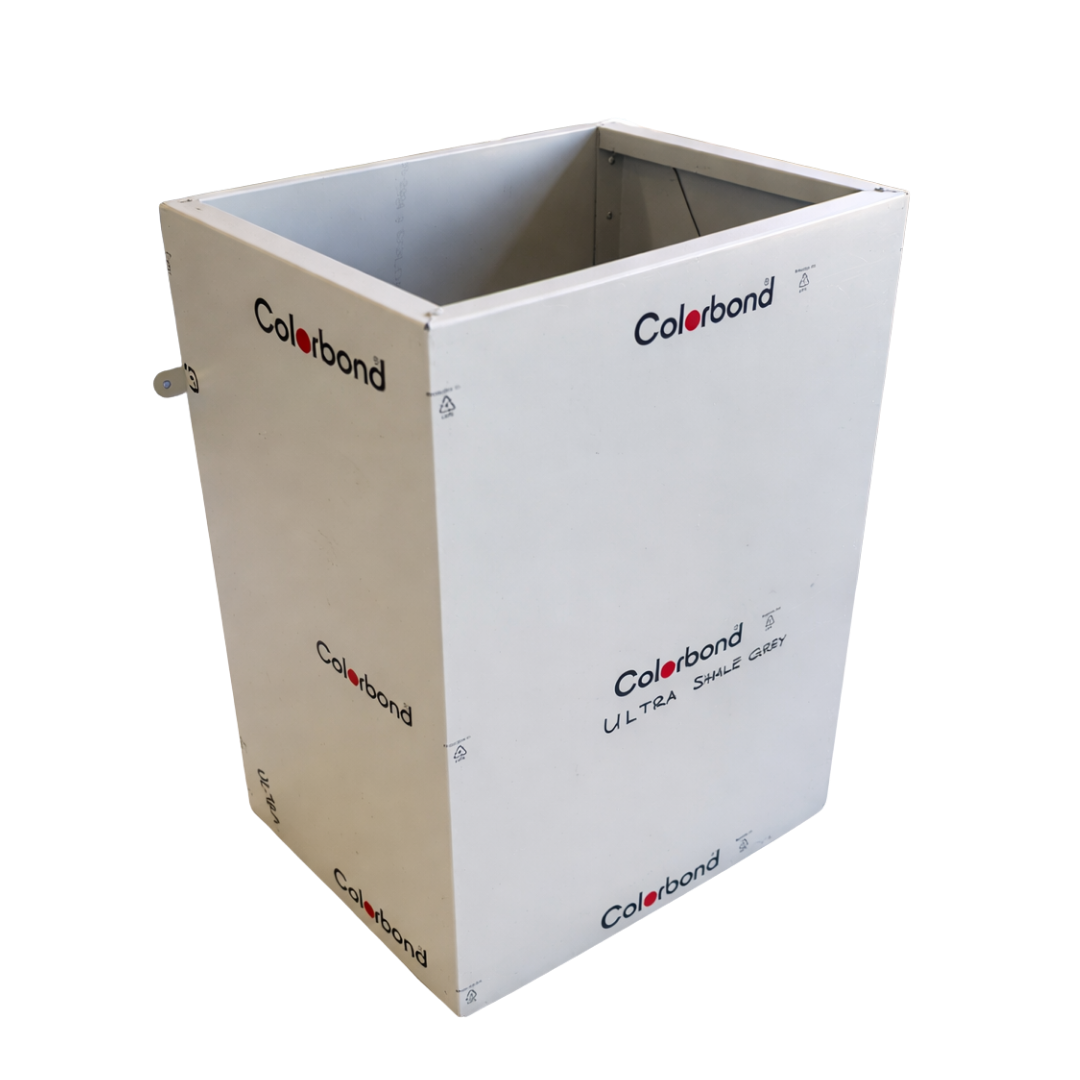
Fixed receiver rainhead
A fixed receiver rainhead offers straightforwardness for nominated gutter widths. It provides a simple connection when all dimensions align. Unlike the adjustable variety, it doesn't span across different sizes. But it ensures compatibility, making it invaluable for a dedicated roof drainage system.
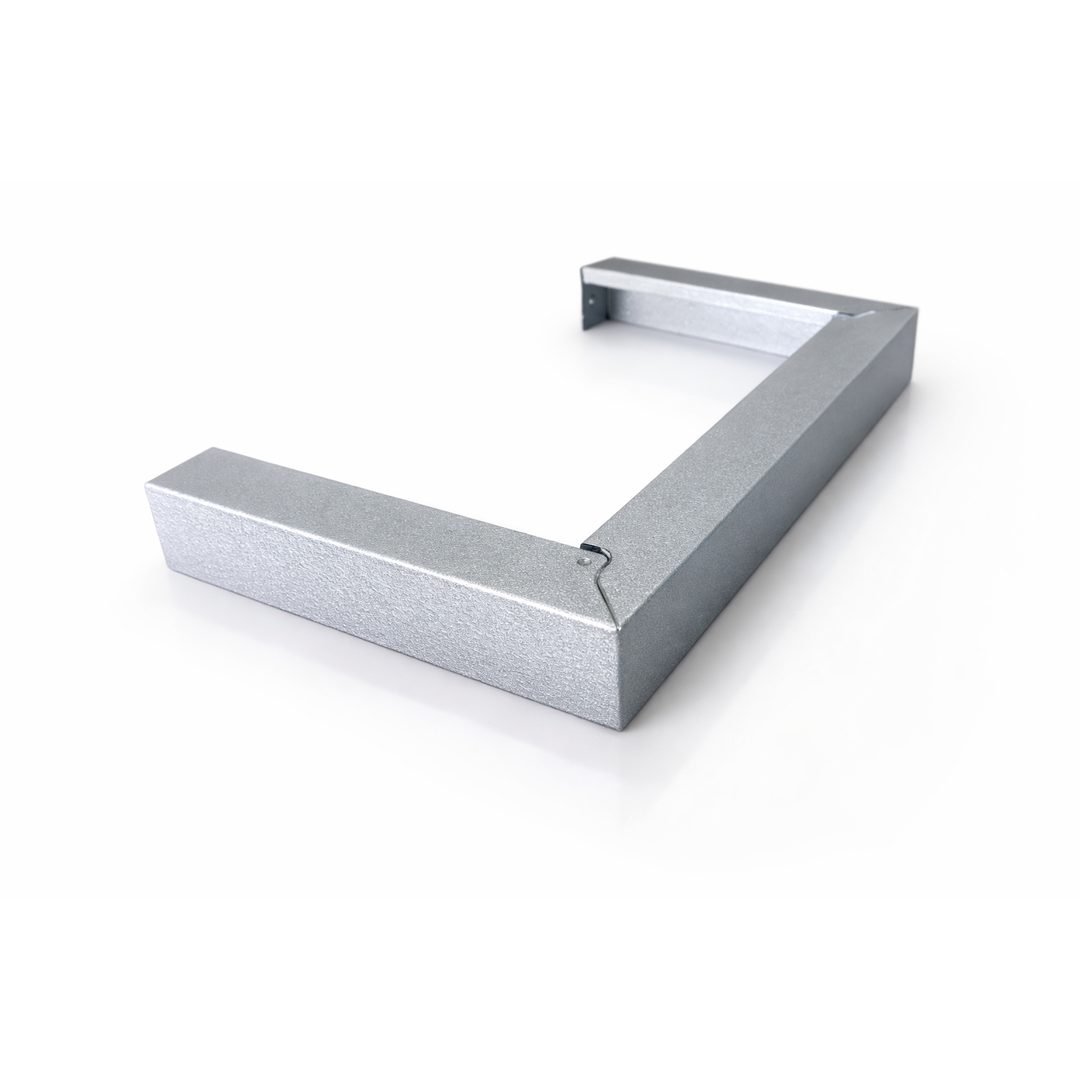
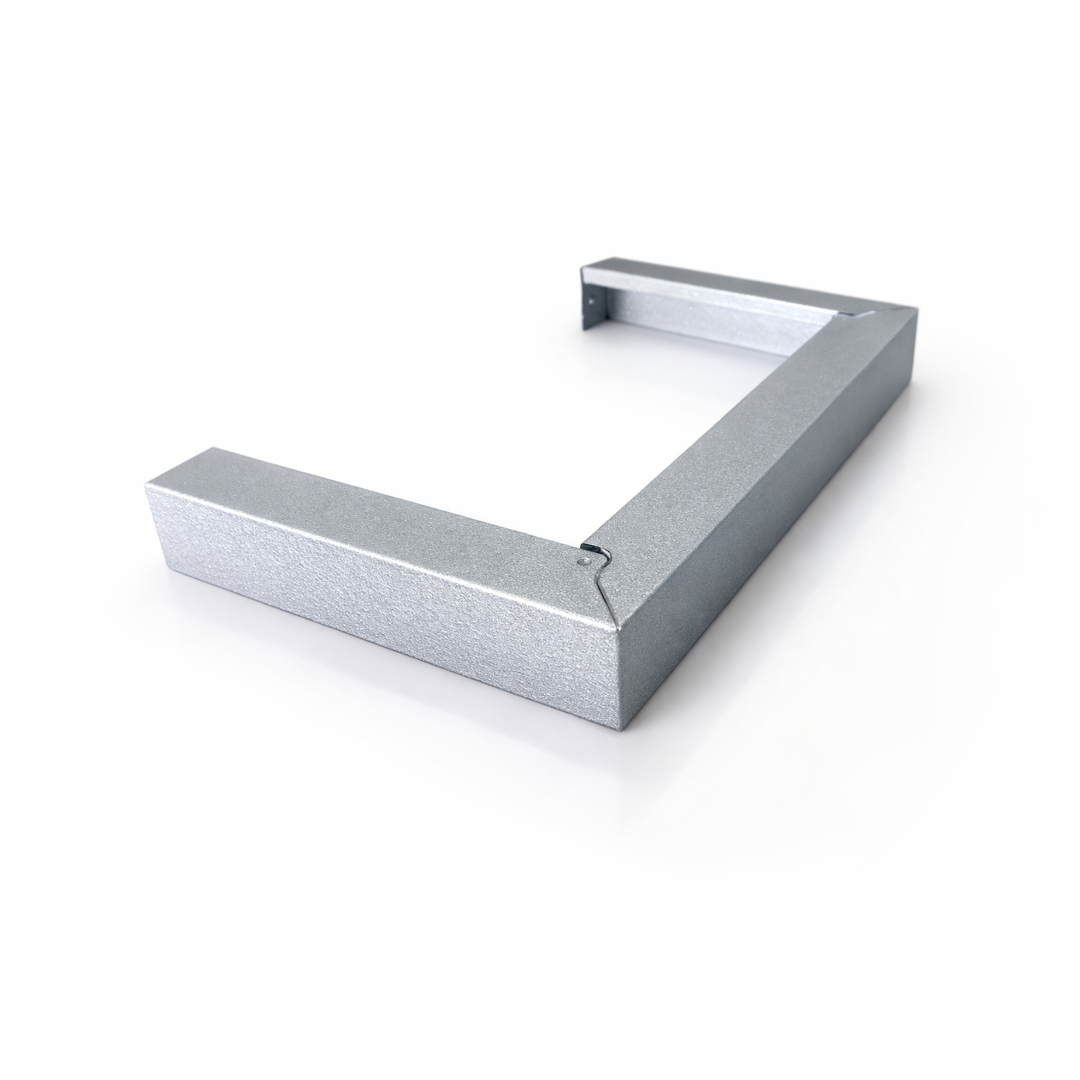
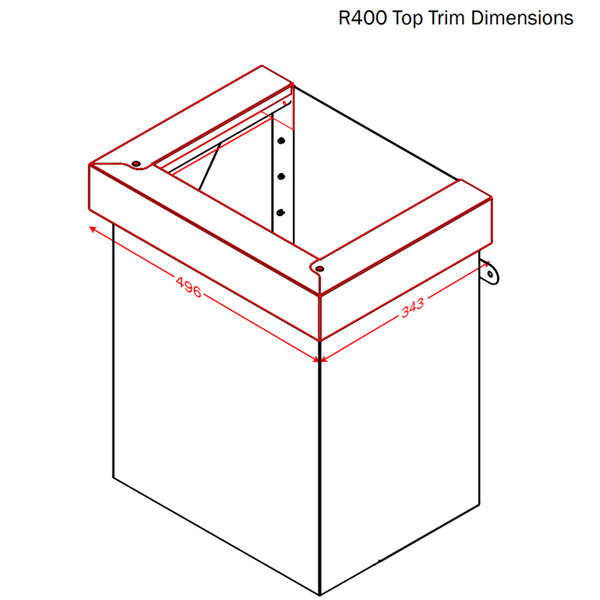
Top trim
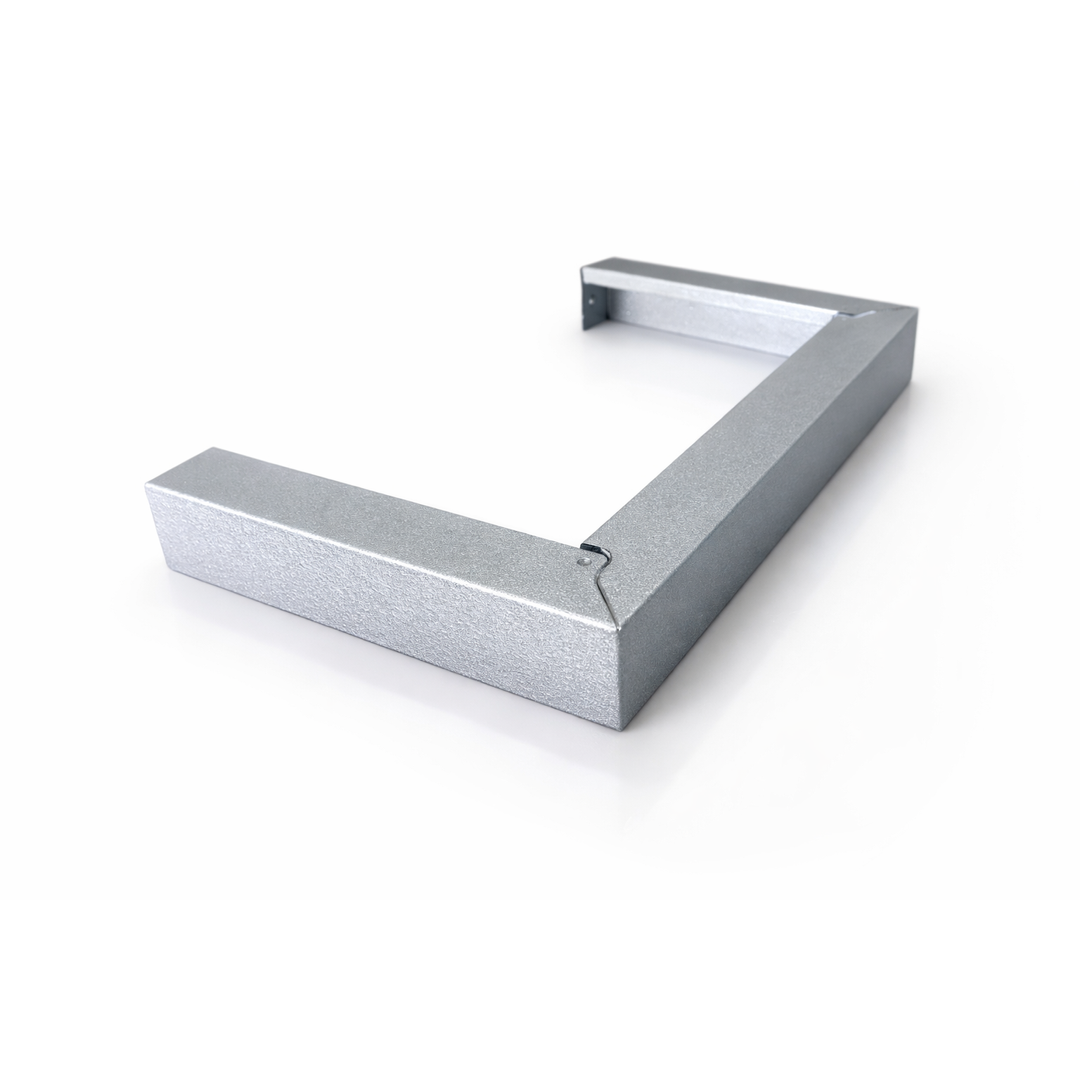
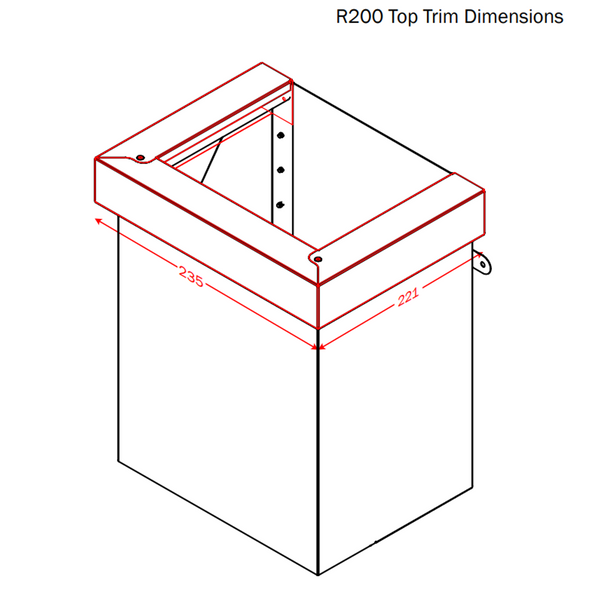
A top trim enhances a rainhead's function and look. Installed usually along the upper edge, it stiffens and supports the open end. It reduces flex and adds a defined rim, easing installation.
Rainhead diverters and rainwater tanks have different jobs.
A rainhead diverter acts as a safeguard for your rainwater system. Positioned on a downpipe, it stops leaves and debris from moving further down the line, hence its other name, leaf-shedding rainhead. Its built-in screen shuffles waste away while channelling water to the tank or drainage pipe. This keeps the water clean and reduces blockages, maintaining a smooth flow.
Just as a quality hand held shower head provides optimal water flow during your bath, this system provides steady drainage even when there are heavy downpours.
A rainwater tank serves the separate job of storage. Water travels down from the gutters into the tank inlet, another barrier keeping dirt out. With this setup, your tank holds only clean water for household and outdoor needs.
While the diverter stops debris like leaves, the tank holds the cleaned water. This duo works together to maximise your water collection efforts.
Pay attention to the installation order for diverters and tanks.
Rainhead diverters are typically fitted on downpipes above the tank inlet. Installing them higher allows gravity to aid water flow and makes access for cleaning easier. Meanwhile, accessible placement makes routine checks less of a hassle.
For rainwater tanks, you need a base, inlet, pipework, and overflow connection. You have to account for site-specific needs like drainage capacity and compliance with regulations. It's crucial to confirm these details, much like you would before installing a whole home water filter.
Straightforward maintenance keeps a rainhead clear.
Check your rainhead regularly as part of your rainwater management routine. Heavy weather demands extra vigilance, especially when nearby trees deposit leaves or branches on your roof. A simple glance can reveal if debris has clogged the opening or collected around the connection to your box gutter.
Move loose debris by hand with gloves on, and clean out what's left. Once you've removed the big stuff, a quick wipe or rinse can take care of finer dirt. A clean rainhead means an open water path and smoother water movement, reducing the risk of overflow.
Then, inspect the receiver, box gutter outlet, and downpipe openings for any blockages. If you notice slow drainage, water backing up, or unexpected water escapes, stop and take a closer look at your system, similar to how you would with a malfunctioning smart toilet. It may call for dismantling some components or even expert assistance for complex situations.
Lastly, you can include your rainhead inspection in your overall seasonal gutter and downpipe checks. Comprehensive cleaning is necessary to ensure that every component is free of debris and doesn't have leaks or damaged parts.
Frequently Asked Questions (FAQ)
What happens when there's no proper gutter system?
Without a proper gutter system, roof water can spill uncontrollably. This repetitive overflow wets the walls and the ground next to your building. Over time, it escalates the risk of timber deterioration and soil erosion, even leading to moisture issues around your home's foundations.
Installing a well-designed, complete rainwater drainage system, including a correctly sized rainhead, is crucial to managing expected water flow effectively.
Similarly, a shower screen protects your bathroom floor and walls from too much water exposure. We carry both of these systems to shield your home, no matter where the water comes from.
Do I need multiple rainheads in my gutter system?
It depends on various factors, like your roof's catchment area, the layout of box gutters, gutter width, and rainfall intensity. The size and complexity of your building also matter. Larger buildings or those with divided drainage areas may indeed require more than one rainhead, while smaller sections may suffice with just a single one.
When's the best time to install rainheads?
The easiest setup for a rainhead with overflow is during the construction of a new roof or box-gutter system, allowing for a planned integration of the receiver, outlet, downpipe, and overflow provisions. This strategic planning streamlines the installation and supports a robust drainage system from the start.
Meanwhile, installing rainheads on established buildings should happen before the wetter part of the year. That way, you can complete the setup before the heaviest downpours occur.
Streamlining your roof drainage with Burdens rainheads
When you're planning to buy a rainhead in Australia, Burdens carries products that follow the country's roof plumbing standards, offering various sizes and configurations from established brands like Dam Buster. Whether you're a builder or a homeowner, we support your projects with expert advice and a wide range of options that blend seamlessly with existing systems.
Beyond rainheads, we offer shower taps, bidet toilet seats, pool supplies, and other quality systems, so check in-store availability for your next project.